The History of African American Funeral Traditions in Alabama
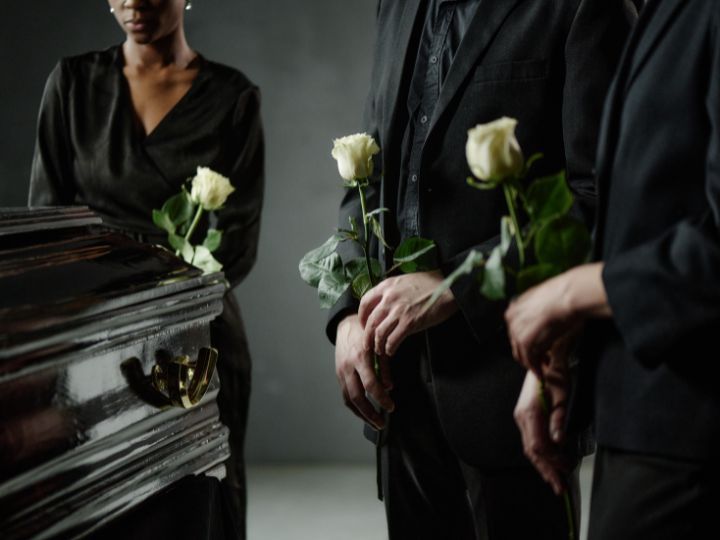
When we think about Black History Month, we often focus on civil rights leaders, cultural achievements, and the journey toward equality. But there's another story worth telling—one that speaks to resilience, faith, and the deep bonds of community. It's the story of African American funeral traditions in Alabama, traditions that have preserved dignity, celebrated life, and brought families together through some of the darkest chapters of our nation's history.
At Jeffcoat Funeral Home, we've had the privilege of serving families from all walks of life in Tallassee and the surrounding communities for over 55 years. We've witnessed firsthand how funeral customs tell the story of who we are, where we've been, and what we hold sacred. This Black History Month, we want to honor the rich tapestry of African American funeral traditions that have shaped Alabama's cultural landscape.
Roots That Run Deep: From Africa to Alabama
To understand African American funeral traditions in Alabama, we need to go back to the beginning. When enslaved Africans were forcibly brought to Alabama's plantations, they carried with them centuries-old beliefs about death, ancestors, and the afterlife. Despite the brutality of slavery, these spiritual practices survived.
In West African cultures, funerals weren't just about saying goodbye—they were about ensuring the deceased's safe passage to the spiritual realm and maintaining connections between the living and the dead. These beliefs merged with Christianity to create something uniquely African American: a funeral tradition that honored both African heritage and Christian faith.
Even during slavery, when enslaved people had few rights over their own lives, they found ways to honor their dead with dignity. Night funerals became common because enslaved people could only gather after work was done. Singing, prayer, and community support became the foundation of a tradition that would endure for generations.
The Rise of Black Funeral Homes: Dignity in Death
After the Civil War, one of the most important developments in African American communities was the establishment of Black-owned funeral homes. In Alabama, as throughout the South, these funeral homes became much more than businesses—they were community institutions.
During segregation, when Black families were turned away from white funeral homes, Black funeral directors stepped in to provide services with respect and compassion. They understood the cultural significance of homegoing celebrations. They knew why certain hymns mattered. They recognized that a funeral wasn't just a service—it was a family reunion, a church revival, and a community gathering all rolled into one.
African American funeral homes in Alabama became safe spaces where families could grieve without fear of discrimination. They were places where a sharecropper's funeral could be just as dignified as a teacher's, where everyone—regardless of their station in life—deserved to be sent home with honor.
The Homegoing: A Celebration of Life
If you've ever attended a traditional African American funeral in Alabama, you know it's different from other funeral services. We call it a "homegoing" for a reason—it's not just about mourning a loss but celebrating a soul's return home to God.
These services are often longer than typical funerals, sometimes lasting two to three hours. There's a reason for that. The service isn't just about the deceased—it's about the community coming together. There's preaching, singing, testimony, and often, spontaneous expressions of emotion. It's okay to cry out. It's okay to "get happy" in the Spirit. This openness to emotion reflects an African American cultural understanding that grief is meant to be shared, not bottled up.
Music plays a central role. Traditional Black spirituals like "Amazing Grace," "Blessed Assurance," and "Precious Lord, Take My Hand" aren't just songs—they're prayers set to music, carrying the pain, hope, and faith of generations. Gospel choirs or soloists pour their hearts into every note, creating moments that can be both heartbreaking and healing.
The eulogy, too, holds special significance. It's not just a recitation of facts about someone's life—it's a celebration, a testimony, and often, a call to the living to examine their own lives. Preachers don't shy away from the reality of death, but they emphasize the promise of eternal life and resurrection.
The Repast: Breaking Bread Together
After the burial, there's almost always a repast—a meal shared by family and friends. This isn't just Southern hospitality (though Alabama has that in spades). The tradition of gathering to eat after a funeral has deep roots in African culture and serves an important purpose.
Food brings comfort. It brings people together. And in African American tradition, the repast is when the formal service ends and the real reminiscing begins. Stories are shared, laughter mingles with tears, and the community continues the work of healing together.
You'll find tables laden with soul food favorites: fried chicken, collard greens, macaroni and cheese, sweet potato pie. These aren't just dishes—they're connections to heritage, recipes passed down through generations, each bite a reminder of where we came from.
Viewing and Visitation: Time to Say Goodbye
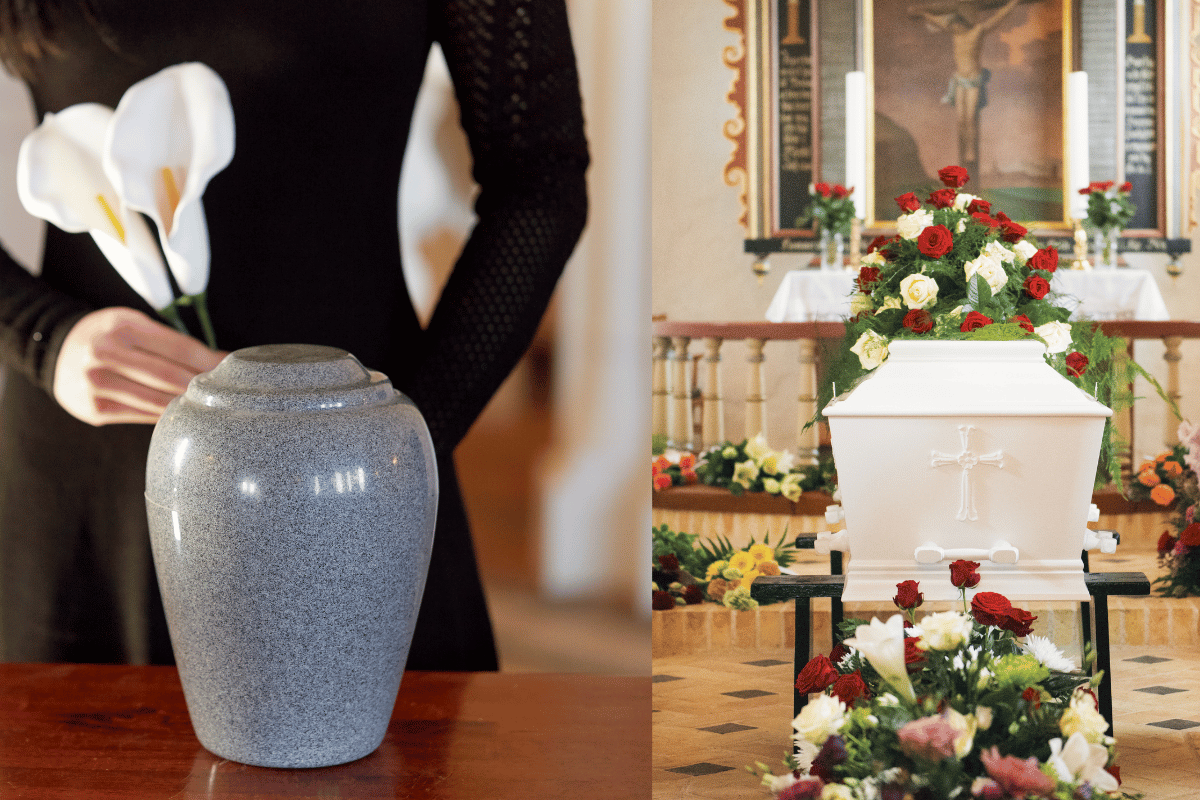
The wake or viewing holds special importance in African American funeral customs. It's common for the casket to remain open, allowing mourners to see their loved one one last time. This practice, while found in many cultures, takes on particular significance in the Black community.
During slavery and Jim Crow, Black bodies were often disrespected in death as they had been in life. An open casket with the deceased dressed beautifully, hair done perfectly, makeup applied with care—this became an act of reclaiming dignity. It was a way of saying, "This person mattered. This life had value."
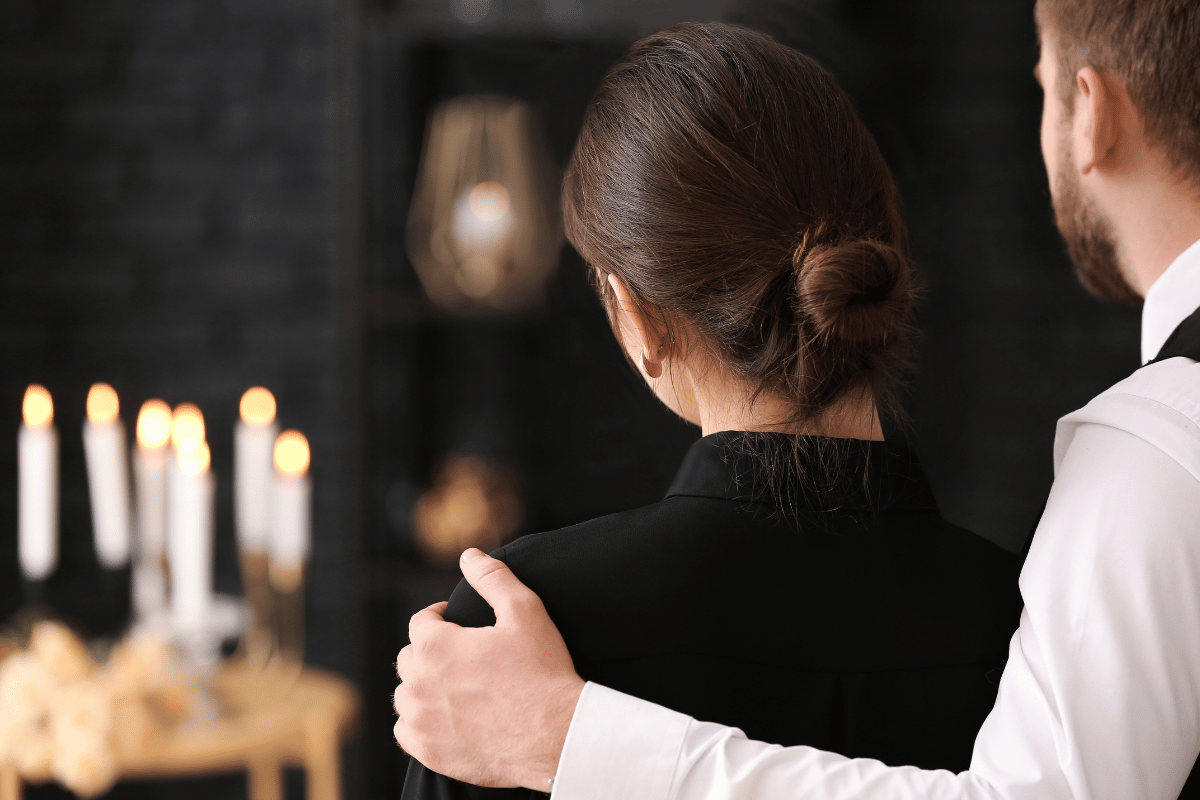
The viewing is also a time for the community to gather around the family. People travel from far and wide to pay their respects. It's not unusual to see someone who hasn't been back to Alabama in years show up for a homegoing service. Because in African American culture, when someone passes, you come home. You show up. You support the family.
The Church: Center of Everything
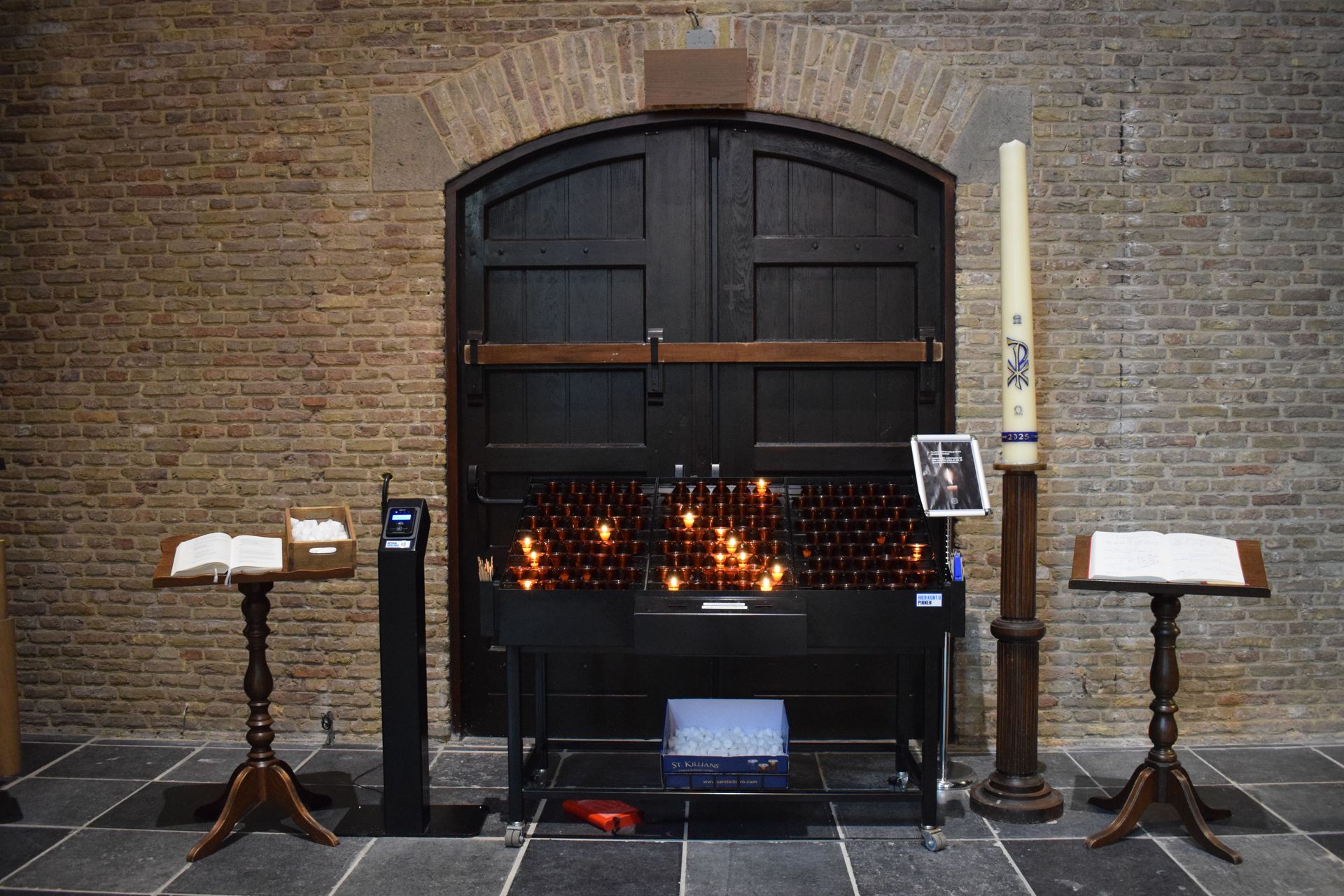
You can't talk about African American funeral traditions in Alabama without talking about the church. The Black church has always been more than a place of worship—it's been a refuge, a meeting hall, a place of education, and yes, a place to celebrate life and mourn death.
Many African American funerals in Alabama still take place in the same churches where the deceased was baptized, married, and worshipped for decades. The church family becomes an extension of blood family, and when someone passes, that entire church community mobilizes to support the grieving family.
Church ladies bring food. Deacons serve as pallbearers. The choir sings those old hymns that everybody knows by heart. The pastor, who likely knew the deceased personally, delivers a eulogy that's both deeply personal and universally resonant.
This tradition of the church as the center of funeral services continues today, even as some families opt for funeral home chapels. The spiritual framework remains the same.
Modern Traditions: Honoring the Past While Embracing the Future
African American funeral traditions in Alabama have evolved over time, but the core values remain unchanged: respect for the deceased, support for the family, and faith in God's promises.
Today, you'll see modern touches blended with traditional practices. Memorial videos play during services, displaying photographs from throughout the person's life. Programs are beautifully designed, often becoming keepsakes for family members. Some families incorporate cultural elements like African fabrics or symbols into the service.
Social media has also changed how we mourn and remember. Online obituaries reach family and friends across the country. Livestreaming allows those who can't travel to Alabama to participate in services remotely. Yet these modern conveniences don't replace the need for community—they extend it.
The Burial: Returning to the Earth
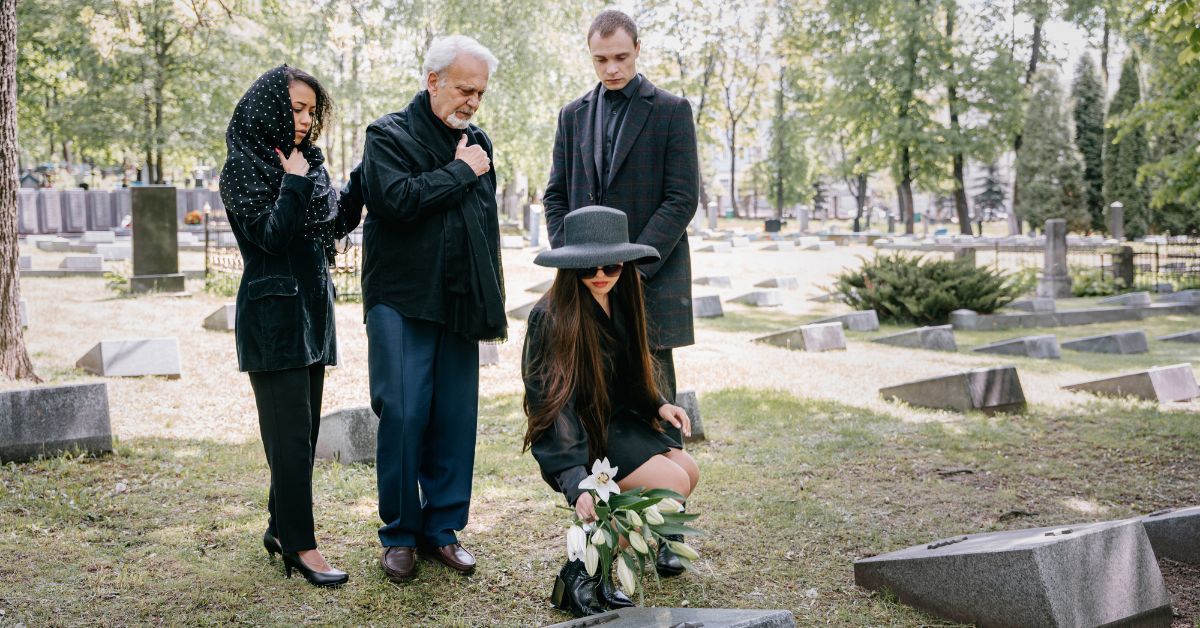
African American burial customs in Alabama often include specific traditions at the graveside. The committal service is a sacred moment when the body is returned to the earth, and in many Black communities, this part of the service holds deep significance.
It's traditional for family members to stay at the graveside until the casket is fully lowered and the grave is filled. This isn't just about ensuring the job is done—it's about staying with your loved one until the very end, about not leaving them alone.
Some families still practice the tradition of placing personal items in the casket or on the grave—perhaps a Bible, a favorite hat, or flowers from the deceased's own garden. These practices echo West African customs of providing items for the journey to the afterlife.
What We Can Learn
This Black History Month, as we reflect on African American funeral traditions in Alabama, we're reminded of something powerful: these customs aren't just about death—they're about how we choose to live, how we treat each other, and what we value as a community.
The emphasis on community support teaches us that we're not meant to face loss alone. The celebration of life reminds us to honor people while they're here and after they're gone. The deep faith woven through these traditions speaks to resilience in the face of unimaginable hardship.
At Jeffcoat Funeral Home, we understand that every family has their own traditions, their own way of honoring their loved ones. Whether you're carrying on generations-old customs or creating new traditions, we're here to help you celebrate your loved one's life in a way that's meaningful to you.
As Jo Ann Jeffcoat, who has served our community for over 40 years, often says: "Every life is unique, and every service should be as well." That philosophy guides everything we do, and it's particularly meaningful when we consider the rich diversity of funeral traditions in our Alabama community.
Preserving Legacy, Honoring Heritage
This Black History Month, we encourage you to talk with your elders about your family's funeral traditions. Ask your parents or grandparents about the homegoings they remember from their youth. Record those stories. Write them down. These memories are part of your heritage, part of Alabama's history, and they deserve to be preserved.
Funeral traditions tell us who we are as a people. They reveal our values, our faith, and our understanding of what it means to live and die with dignity. African American funeral customs in Alabama carry within them the strength of ancestors who endured slavery, survived Jim Crow, and built communities of faith and resilience that continue to thrive today.
At Jeffcoat Funeral Home, we're honored to serve families of all backgrounds, and we're committed to understanding and respecting the unique traditions each family brings. If you have questions about planning a funeral that honors your cultural heritage, or if you'd like to talk about pre-planning your own service, we're here to help.
Because at the end of the day, a funeral isn't just about saying goodbye—it's about celebrating a life well-lived, honoring the traditions that shaped that life, and bringing a community together in love and remembrance.
That's what African American funeral traditions have always been about. And that's a legacy worth celebrating, this Black History Month and always.