New Year Resolutions: Including End-of-Life Planning in Your Goals

As the calendar turns to a fresh year, many of us in Tallassee sit down with our favorite notebook or smartphone app to jot down resolutions. Maybe you're planning to finally organize that garage, start that garden you've been dreaming about, or spend more quality time with family. But here's a resolution that might not have made your list yet—one that's just as important as any fitness goal or financial plan: pre-planning your funeral arrangements.
I know, I know. It's not exactly the cheerful topic we associate with fresh starts and new beginnings. But stick with me here, because including end-of-life planning in your New Year goals is actually one of the most thoughtful gifts you can give yourself and the people you love.
Why Add Funeral Planning to Your New Year Resolution Ideas?
Think about it this way: you probably have a will, insurance policies, maybe even a living trust. You've planned for your family's financial future. But what about the emotional and practical decisions they'll face when you pass away? Without guidance, your loved ones will be making difficult choices during one of the most stressful times of their lives.
Here at Jeffcoat Funeral Home, we've served Tallassee families for over 55 years, and we've seen firsthand how pre-planning brings peace of mind. When you make these decisions now—while you're clear-headed and can thoughtfully consider what truly matters to you—you're lifting an enormous burden from your family's shoulders.
Plus, let's be honest: it's easier to have these conversations when nobody's in crisis mode. January is actually the perfect time to tackle funeral planning. The holidays are behind us, tax season hasn't ramped up yet, and many of us are in that reflective mindset that comes with a new year. You've got time to think things through, gather information, and make decisions that truly reflect your values and wishes.
What Happens After One Dies: Understanding the Process
Before we dive into the planning timeline, let's walk through what actually happens when someone passes away. Understanding this process makes pre-planning much easier because you'll know exactly what decisions need to be made.
When a death occurs, several things happen fairly quickly:
First, the funeral home is contacted—often by the hospital, hospice facility, or family members. We make arrangements to transport your loved one into our care, which we handle with the utmost dignity and respect.
Next, the death certificate process begins. The attending physician or medical examiner signs the certificate, which is then filed with the state. This is an essential document—nothing else can move forward without it. Your family will need multiple certified copies for things like insurance claims, Social Security notifications, and estate matters.
Then comes the decision about final disposition: burial or cremation. This is where having your wishes documented becomes invaluable. Without clear guidance, family members sometimes struggle with this choice, wondering what you would have wanted.
After that, there are service arrangements to consider—whether you want a traditional funeral, a memorial service, a celebration of life, or something more intimate. Will there be visitation hours? Where will the service take place? What about music, readings, or personal touches that reflect who you were?
Finally, there are practical matters like obituary notifications, coordinating with clergy or celebrants, arranging flowers, selecting a casket or urn, choosing cemetery plots or columbarium niches, and organizing any post-service gatherings.
Here's the thing: every single one of these decisions becomes exponentially easier when you've already made them yourself. Your family won't be guessing or debating—they'll simply be carrying out your wishes.
The Pre-Planning Timeline: When to Start and What to Expect
So, you've decided that 2026 is the year you'll finally tackle funeral pre-planning. Great! But where do you start, and how long does this actually take?
Good news: pre-planning doesn't have to consume your entire January. Here's a realistic timeline:
Week 1: Initial Research and Reflection (2-3 hours)
Start by thinking about what matters most to you. Do you have strong feelings about burial versus cremation? Are there family traditions you want to honor? Are there specific songs, poems, or readings that hold special meaning?
Take some time to visit our website or give us a call at (334) 283-6801. Browse through the different service options we offer. You don't need to make any decisions yet—just get a feel for what's available.
Week 2: First Consultation (1-2 hours)
Schedule a no-pressure meeting with our team. We'll walk you through all your options, answer your questions, and help you understand the costs involved. This isn't a sales pitch—it's a conversation about your life, your values, and your wishes.
Many people bring a trusted family member or friend to this meeting. Having another set of ears can be helpful, and it starts the important process of communicating your wishes to those closest to you.
Week 3: Making Decisions (time varies)
After your consultation, you might need some time to think things over, discuss options with family, or visit cemetery locations. This is perfectly normal. Some people make decisions quickly; others prefer to take their time. There's no rush.
Week 4: Finalizing Your Plan (1-2 hours)
Once you've made your decisions, we'll document everything in a detailed pre-need agreement. This legally binding document ensures that your wishes will be honored exactly as you specified. We'll keep a copy on file, and you'll receive copies for your records and to share with family members.
The entire process, from start to finish, typically takes about a month if you're moving at a comfortable pace. But here's the beautiful part: once it's done, it's done. You can check this major life task off your list and move forward with complete peace of mind.
Key Decisions and Documents You'll Need
Let's get specific about what you'll actually be deciding and what paperwork you'll need to gather. Being organized from the start makes the whole process smoother.
Service Preferences
First, you'll decide on the type of service you want. Traditional funerals typically include visitation, a formal funeral service, and either burial or cremation afterward. Memorial services happen after burial or cremation, with no viewing of the deceased. Some families prefer celebration of life gatherings that focus more on joyful remembrance than formal ritual.
You'll also choose whether you want a religious service, a secular celebration, or something in between. If you're a veteran, be sure to ask about veteran services—we're honored to coordinate military honors that recognize your service to our country.
Final Disposition
This is the burial-versus-cremation decision. If you choose burial, you'll need to select or purchase a cemetery plot. Here in Tallassee and the surrounding areas, there are several beautiful cemeteries to consider. If you already have family plots, this decision might be straightforward.
If you choose cremation, you'll decide what happens to your ashes. Some families choose burial in a cemetery plot or columbarium niche.
Others prefer scattering in a meaningful location (always check local regulations). Some keep cremated remains in a decorative urn at home.
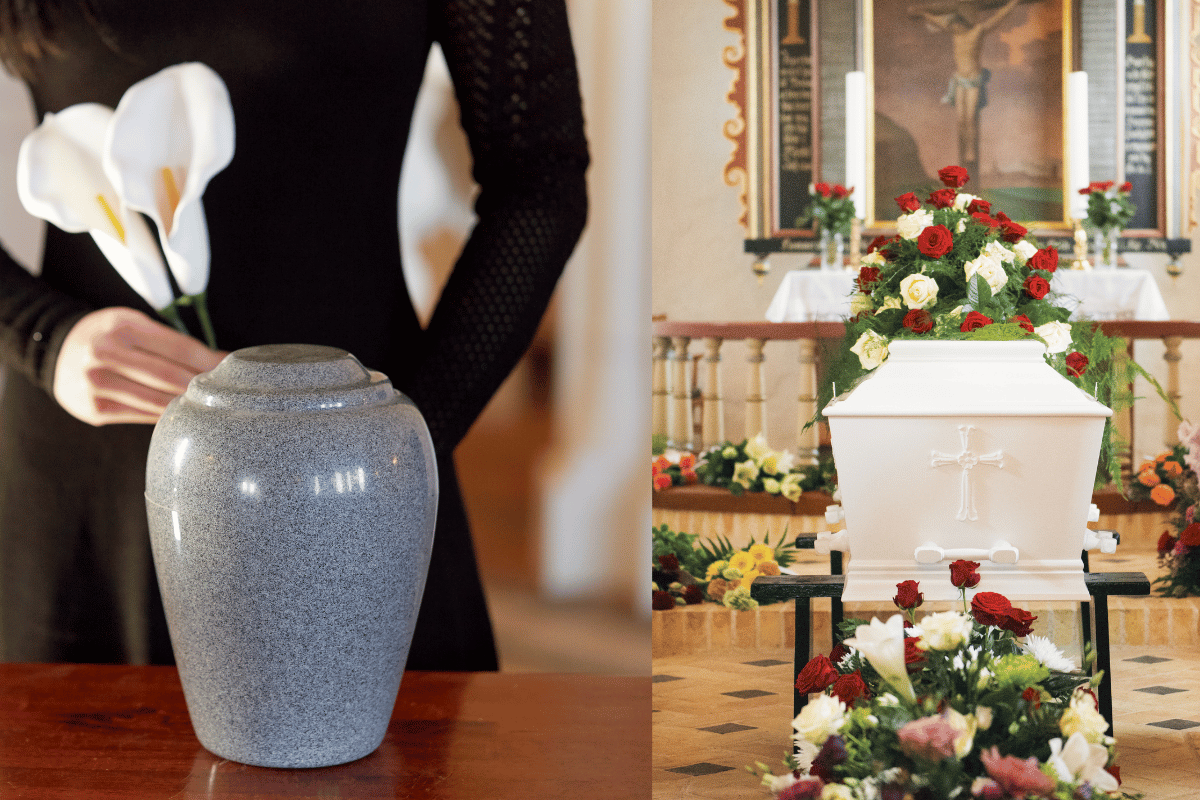
At Jeffcoat Funeral Home, our direct cremation service starts at $2,390 and includes a cultured marble urn. This straightforward option provides dignity and simplicity at a transparent price point.
Personalization Details
Here's where you can really make the service reflect who you are. Think about:
- Music selections (live musicians, recorded favorites, or both)
- Readings, poems, or scripture passages
- Photos or video tributes
- Memorial items or displays
- Charitable donations in lieu of flowers
- Any special requests that honor your interests or personality
We've helped families incorporate everything from fishing rod displays to quilts to vintage car processions. Your life is unique, and your service should be too.
Required Documents
To make pre-planning as smooth as possible, gather these documents before your consultation:
- Birth certificate
- Social Security card
- Military discharge papers (DD-214) if you're a veteran
- Marriage certificate(s)
- Information about any cemetery plots or niches you already own
- Details about any existing burial insurance or pre-paid funeral plans
- Names and contact information for family members who should be notified
You don't need every single item before getting started—we can work with what you have and fill in gaps as you go. But having these handy will speed things along.
Legal and Financial Documents
While we're focusing on funeral planning, this is also a good time to make sure your other end-of-life documents are in order:
- Last will and testament
- Living will or advance directive
- Healthcare power of attorney
- Financial power of attorney
- Beneficiary designations on insurance policies and retirement accounts
We're not attorneys, of course, so we can't provide legal advice. But we can certainly point you toward local resources if you need help with these documents.
Understanding Funeral Plans and Costs
Let's talk about money, because cost is often the biggest question people have about pre-planning.
The truth is, funeral costs vary widely depending on your choices. A simple direct cremation costs significantly less than a traditional funeral with full services. Here in Tallassee, you can expect costs to range from around $2,390 for basic cremation to $8,000-$12,000 or more for traditional funerals with all the services.
But here's an important point: when you pre-plan, you lock in today's prices for many services. Funeral costs historically rise about 3-4% annually, just like most other goods and services. By pre-planning and pre-paying, you protect yourself and your family from future price increases.
There are several ways to fund your funeral plans:
Pre-Payment Plans
You can pay in full upfront, locking in current prices. Your funds are placed in a trust or insurance policy specifically for funeral expenses. If you move or change your mind, there are protections in place—your money isn't just gone.
Payment Plans
Many people choose to spread payments over time, making pre-planning more budget-friendly. Think of it like any other important financial commitment, broken into manageable monthly amounts.
Insurance Policies
Burial insurance or final expense insurance is specifically designed to cover funeral costs. These policies often don't require medical exams and can be purchased even if you have health conditions that would make other life insurance difficult to obtain.
Trust Accounts
Irrevocable funeral trusts allow you to set aside money specifically for funeral expenses. These can be particularly useful for Medicaid planning, as they're not counted as assets when determining eligibility.
Cost Transparency Matters
We believe you should never feel confused or pressured about funeral costs. That's why we're happy to provide detailed price lists and explain exactly what each service includes. There are no hidden fees or surprise charges—just honest, straightforward pricing.
When you meet with us, we'll walk through different package options and help you design services that fit both your wishes and your budget. You don't have to choose the most expensive option to honor your loved one or yourself beautifully.
Tallassee's Seasons: Practical Considerations for Planning
Living in Tallassee, we're blessed with four distinct seasons along the Tallapoosa River, and each brings its own considerations for funeral services.
Spring (March-May)
Spring in Tallassee is gorgeous, with temperatures ranging from the comfortable 60s to warm 80s. Azaleas bloom, dogwoods flower, and the countryside comes alive with color. This is a beautiful time for graveside services or outdoor gatherings.
However, spring also brings our heaviest rainfall. April and March are typically our wettest months. If you're planning an outdoor service during these months, having a backup plan for inclement weather is wise. Cemetery services can become challenging when grounds are saturated.
Summer (June-August)
Summer gets hot in central Alabama—we're talking highs in the low 90s and heat indexes that can reach well over 100°F. If you're planning a summer service, timing is important. Earlier morning services (before 10 AM) or late afternoon services (after 5 PM) can help attendees avoid the worst heat.
Afternoon thunderstorms are common during summer months, usually rolling through between 2-5 PM. Again, backup plans are important for outdoor gatherings.
Fall (September-November)
Many people consider fall the most pleasant time of year in Tallassee. September can still be warm, but October and November bring comfortable temperatures in the 60s and 70s—perfect for outdoor services or gatherings.
Fall foliage along the Tallapoosa River creates a naturally beautiful backdrop for memorial services. The weather is generally more predictable, with fewer severe storms than spring or summer.
Winter (December-February)
Winters are mild here compared to much of the country, with highs typically in the 50s and 60s and lows in the 30s and 40s. Snow is rare but not impossible—we might see a dusting or light snow once or twice a winter.
Winter services present fewer weather challenges, though cold snaps can make outdoor graveside services uncomfortable. Indoor services followed by brief outdoor committal services work well during winter months.
The beauty of pre-planning is that you don't have to predict when you'll pass away or what the weather will be like. But understanding these seasonal patterns helps you make informed decisions about service locations and backup plans.
Having the Conversation with Your Family
One of the hardest parts of funeral pre-planning isn't the planning itself—it's talking to your family about it.
Americans aren't great at discussing death. We tend to avoid it, change the subject, or make jokes to deflect discomfort. But avoiding these conversations doesn't make death go away. It just means our loved ones face impossible decisions without our guidance.
Here are some tips for starting these important conversations:
Choose the Right Moment
Don't drop this topic in the middle of Thanksgiving dinner or right before someone's heading out the door. Pick a calm, quiet time when you can have everyone's attention without time pressure.
Some families find it easier to discuss during a drive or while doing an activity together—somehow the lack of direct eye contact makes difficult topics less intense.
Lead with Love, Not Fear
Instead of starting with "We need to talk about what happens when I die," try something like "I've been thinking about how to make things easier for you all someday, and I'd love your input on some decisions."
Frame it as an act of love and responsibility, not a morbid obsession with death.
Acknowledge the Awkwardness
It's okay to say, "I know this feels weird to talk about, but it's important to me that you know my wishes." Naming the discomfort often helps defuse it.
Invite Questions and Input
This shouldn't be a one-way lecture. Ask your family what matters to them. They might have questions about family traditions, concerns about costs, or thoughts about what would bring them comfort.
Sometimes, adult children have very different ideas about what "Dad would have wanted" or "Mom would have preferred." Having this conversation while you're still here prevents those conflicts.
Put It in Writing
After the conversation, document your wishes clearly. Share copies with family members, your attorney, and of course, with us here at Jeffcoat Funeral Home. Verbal conversations are important, but written documentation prevents misunderstandings.
Revisit When Needed
Your wishes might change over time, and that's perfectly okay. Make it clear to your family that this isn't set in stone forever—you'll update your plans if your circumstances or preferences change.
The Peace of Mind That Comes with Being Prepared
I've spent a lot of time talking about practical details—documents, costs, timelines, weather considerations. But let me tell you about the real benefit of funeral pre-planning: peace of mind.
When you complete your funeral plans, something remarkable happens. A weight you didn't fully realize you were carrying just... lifts. You know that your family won't have to guess at your wishes or make difficult decisions during their grief. You know they won't overspend out of guilt or underspend out of uncertainty.
You also gain freedom. Strange as it sounds, facing your mortality head-on actually helps you live more fully. When you've acknowledged that your time is limited, you often find yourself prioritizing what truly matters—relationships, experiences, making a difference.
We've had clients tell us that completing their funeral pre-planning freed them to enjoy their retirement fully, travel without worry, or reconcile with estranged family members. It's like checking a major item off your to-do list—suddenly, you have mental and emotional space for other things.
Why Pre-Planning My Funeral Matters for Every Age
You might be thinking, "This is great advice for my parents, but I'm too young to worry about this."
Here's the uncomfortable truth: none of us knows when our time will come. We've served families who lost loved ones in their 30s, 40s, and 50s—ages when most people feel invincible. Car accidents, sudden illnesses, and unexpected tragedies don't check your age before striking.
If you have a spouse, children, or anyone who would be responsible for your final arrangements, you're not too young to plan. In fact, younger people often have an advantage—you have more time to save for funeral expenses and can lock in lower prices for decades to come.
Plus, if you're going through other major life planning—buying a house, having children, creating an estate plan—adding funeral pre-planning to the mix just makes sense. It's all part of being a responsible adult and caring for the people who will outlive you.
Getting Started: Your Next Steps
So, you're convinced. You're ready to add "pre-plan my funeral" to your 2026 resolutions. What now?
The first step is the easiest: just reach out. Give us a call at (334) 283-6801 or stop by our location at 255 Friendship Road in Tallassee. We're open Monday through Friday, 8:00 AM to 4:00 PM, and we're always here when families need us for immediate assistance.
You can also visit our website at jeffcoatfuneralhome.com and fill out our online pre-planning form. This gives us some basic information and helps us prepare for a more productive conversation when we meet.
When you come in, there's no pressure, no obligation, and no judgment. This is your time to ask questions, explore options, and learn about what's available. You can make decisions right away if you want, or you can take all the information home and think it over. This is your process, and we'll move at whatever pace feels right to you.
Bring your questions, your concerns, and if you'd like, a trusted family member or friend. We're here to help you navigate these decisions with clarity, compassion, and respect.
A Gift That Keeps Giving
As we settle into this new year, think about the resolutions you're making. Maybe you want to get in better shape, read more books, or finally organize your photos. Those are all wonderful goals.
But also consider this: What if one of your New Year resolutions could provide comfort to your family during their most difficult day? What if you could give them the gift of clarity, removing guilt and guesswork from an already painful situation?
That's exactly what funeral pre-planning does. It's not morbid or pessimistic—it's one of the most loving, practical things you can do for the people you care about most.
Here at Jeffcoat Funeral Home, we've been part of the Tallassee community for over five decades. We've guided thousands of families through the most difficult days of their lives, and we've seen the profound difference it makes when someone has taken the time to plan ahead.
Jo Ann Jeffcoat and our entire team are committed to continuing the legacy of compassionate care that Joe Jeffcoat built. We're not just here to provide services—we're here to support our community, to lift burdens, and to help families honor their loved ones with dignity and meaning.
So this year, as you're writing down your resolutions, add one more: "This is the year I'll plan my funeral." Your future self—and your family—will thank you for it.
And if you have questions, concerns, or just want to talk through what pre-planning involves, we're here. We'll help you understand your options so you can make choices that are right for you and your family. No obligation. No pressure. Just honest guidance from people who genuinely care.
Because that's what we do here in Tallassee—we take care of our neighbors, both in life and in the careful preparation for what comes after.